Why Metal Braces Are the Gold Standard for Children’s Braces
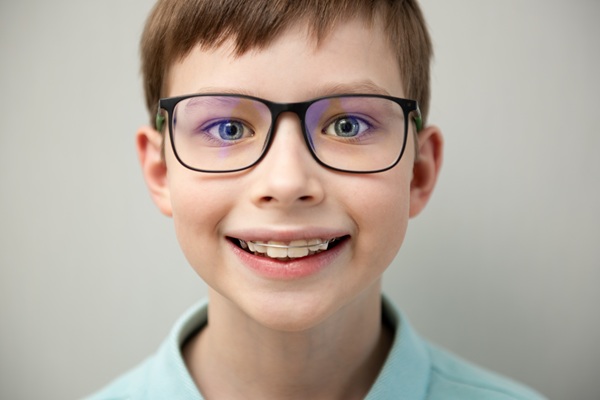
Children's braces often involve metal brackets and wires because this traditional orthodontic option has guided many growing smiles with reliable results. An orthodontist can use metal braces to correct crowding, spacing, bite problems, and tooth position in a steady, predictable way. While newer options exist, metal children's braces remain a popular choice among parents and guardians.
Why metal braces are a common type of children's braces
Metal braces have helped generations of children achieve a straighter smile. Their design may look simple, but the system gives an orthodontist excellent control over tooth movement. Brackets attach to the teeth, and wires apply gentle pressure that moves the teeth into better positions.
This fixed design matters for children. Since metal braces stay on the teeth, patients do not need to remember to wear removable aligner trays for most of the day. The orthodontist controls the treatment progress at each visit and can make adjustments based on how the teeth respond.
Treating many alignment and bite concerns
Another reason why metal children's braces remain the gold standard is their versatility. They can help correct crowded teeth, gaps, rotated teeth, overbites, underbites, crossbites, and open bites. These concerns can affect more than the appearance of the smile.
When teeth overlap, for example, children may struggle to brush and floss thoroughly. Food and plaque can collect in tight spaces, which only increases the risk of cavities and gum irritation. In addition, bite problems can place uneven pressure on certain teeth and may contribute to jaw discomfort or tooth wear. By guiding the teeth into proper alignment, the smile becomes easier to clean, and chewing becomes more comfortable.
A reliable option for growing patients
Children are still learning how to care for their teeth, manage routines, and follow treatment instructions. Metal children's braces can be helpful because they work continuously. The brackets and wires stay in place during school, sports, meals, and sleep.
This does not mean children have no responsibilities during treatment. They will still need to brush, floss, and attend orthodontic and dental checkups. However, parents and guardians do not have to worry about aligners getting lost at lunch or worn for too few hours.
What to expect with metal children's braces
The mouth may feel mildly sore for a few days right after getting any children's braces. This tenderness should improve as the mouth adjusts. The orthodontist will explain how to clean around brackets and wires, which foods to avoid, and what to do if a wire feels uncomfortable.
For children with active lifestyles
With children's braces, sports, music, school activities, and family schedules can all continue as usual. However, those who play contact sports may need a special mouth guard that fits over the braces. The orthodontist can recommend the right type to help protect the mouth and the appliance.
Self-confidence during treatment
Some children feel unsure about how braces will look at first. Thankfully, modern metal braces are smaller and more comfortable than many older versions. Children can also choose colored elastic bands at visits, which can make treatment feel more personal and fun.
A trusted path to a healthier smile
For many families, metal children's braces offer the most practical path to a healthier smile. They are fixed, effective, and adaptable as treatment progresses. To find out if they could be a good fit for your child, contact Brooklyn Heights Orthodontics: Susan Liebman, DMD today.
Request an appointment here: https://www.brooklyn-orthodontist.com or call Brooklyn Heights Orthodontics: Susan Liebman, DMD at (718) 416-6368 for an appointment in our Brooklyn office.
Check out what others are saying about our services on Yelp: Children's Braces in Brooklyn, NY.
Recent Posts
Searching for an orthodontist near me can lead to a seamless transition to a healthier, more functional, and well-aligned smile. Modern orthodontic care offers much more than traditional metal brackets, so a localized search helps patients discover the latest in digital imaging and discreet treatment options. The best choice is to select a practice that…
Asking about Invisalign® for teens is important. This allows parents like you to know what their teenagers will face during the treatment. This is a more comfortable, discreet way to straighten teeth. Even so, it is important to know what you can about it. If you want to ask your orthodontist about Invisalign for teens,…
A bite adjustment is often recommended for patients who experience discomfort, difficulty chewing, or aesthetic concerns due to an underbite. This treatment supports long-term jaw health and function by carefully aligning the teeth for better balance. An orthodontist customizes the process based on tooth shape, jaw structure, and bite pressure to create a more natural,…
Clear aligners make orthodontic treatment discreet and flexible, but daily habits determine comfort and results. Orthodontic guidance, combined with simple routines, helps keep trays clean, snug, and on schedule. The tips below focus on wear time, hygiene, comfort, and lifestyle, so treatment tracks predictably from start to finish.Clear aligners work best with steady, predictable wear.…