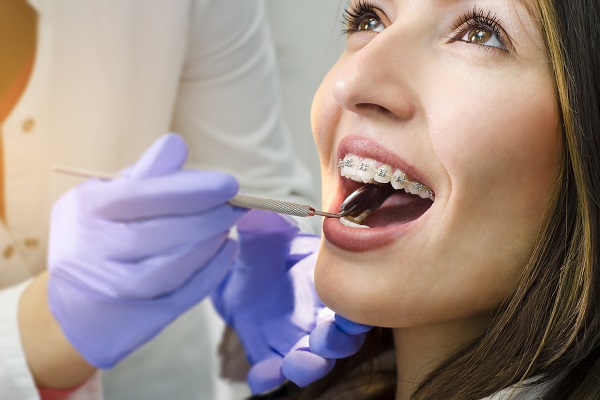
Searching for braces near me is often the first step toward achieving a healthier, more aligned smile. Braces can help correct a range of dental issues, including crooked teeth, bite problems, and jaw misalignment. Although treatment is typically performed by an orthodontist, general dentists play a crucial role in preparing patients for the process and supporting their oral health throughout the journey.
Schedule a dental check-up before treatment begins
Before receiving braces, patients should visit their general dentist for a full dental examination. This visit enables the provider to assess overall oral health and address any concerns, such as cavities or gum disease, that may impact orthodontic care. Teeth and gums must be healthy before braces can be applied.
Professional dental cleaning is also recommended prior to commencing treatment. Removing plaque, tartar, and debris ensures that the teeth are as clean as possible before bonding brackets in place. General dentists often collaborate with orthodontists to create a coordinated treatment plan that meets both functional and aesthetic goals.
Discuss oral hygiene habits and dietary adjustments
Braces create new surfaces where plaque and food particles can collect. Maintaining excellent oral hygiene is crucial for preventing cavities and gum inflammation. Patients are typically advised to use soft-bristled toothbrushes, fluoride toothpaste, and floss threaders or interdental brushes to clean effectively around brackets and wires.
Along with hygiene changes, patients may need to modify their diets. Crunchy, sticky, and hard foods can damage braces or become lodged in the hardware. Dentists often recommend avoiding items such as popcorn, chewing gum, caramel, and raw vegetables. Instead, softer options like yogurt, steamed vegetables, and pasta are easier to manage during treatment.
Common dietary adjustments include:
- Avoiding sticky foods like gum and taffy
- Cutting fruits and vegetables into small, bite-sized pieces
- Choosing soft snacks and meals to reduce pressure on brackets
Plan for comfort during the adjustment period
It is normal to experience mild discomfort in the first few days after braces are placed or adjusted. Soreness in the teeth and gums is common as the mouth adapts to new pressure. Over-the-counter pain relievers and orthodontic wax can help manage irritation caused by brackets and wires. General dentists can provide guidance on safe options to ease discomfort and maintain oral hygiene during this time.
Understand the importance of ongoing dental visits
Even with braces in place, patients should continue to visit their general dentist for routine cleanings and exams. These appointments enable the early detection of any issues and help maintain gum health, as well as prevent cavities. Partnering with a dentist during treatment ensures that oral hygiene stays on track and any concerns are addressed promptly.
Searching for braces near me is just the beginning. With the right preparation, good oral hygiene habits, and support from a general dentist, patients can confidently begin the braces treatment process. A healthy foundation makes it easier to achieve a beautiful, long-lasting smile. For more information or to schedule a consultation, call Brooklyn Heights Orthodontics: Susan Liebman, DMD at (718) 416-6368.
To schedule a consultation, request an appointment on our website at https://www.brooklyn-orthodontist.com or call Brooklyn Heights Orthodontics: Susan Liebman, DMD at (718) 416-6368 for an appointment in our Brooklyn office.
Check out what others are saying about our services on Yelp: Braces Near Me in Brooklyn, NY.
Recent Posts
Children's braces often involve metal brackets and wires because this traditional orthodontic option has guided many growing smiles with reliable results. An orthodontist can use metal braces to correct crowding, spacing, bite problems, and tooth position in a steady, predictable way. While newer options exist, metal children's braces remain a popular choice among parents and…
Asking about Invisalign® for teens is important. This allows parents like you to know what their teenagers will face during the treatment. This is a more comfortable, discreet way to straighten teeth. Even so, it is important to know what you can about it. If you want to ask your orthodontist about Invisalign for teens,…
A bite adjustment is often recommended for patients who experience discomfort, difficulty chewing, or aesthetic concerns due to an underbite. This treatment supports long-term jaw health and function by carefully aligning the teeth for better balance. An orthodontist customizes the process based on tooth shape, jaw structure, and bite pressure to create a more natural,…
Clear aligners make orthodontic treatment discreet and flexible, but daily habits determine comfort and results. Orthodontic guidance, combined with simple routines, helps keep trays clean, snug, and on schedule. The tips below focus on wear time, hygiene, comfort, and lifestyle, so treatment tracks predictably from start to finish.Clear aligners work best with steady, predictable wear.…